Introduction
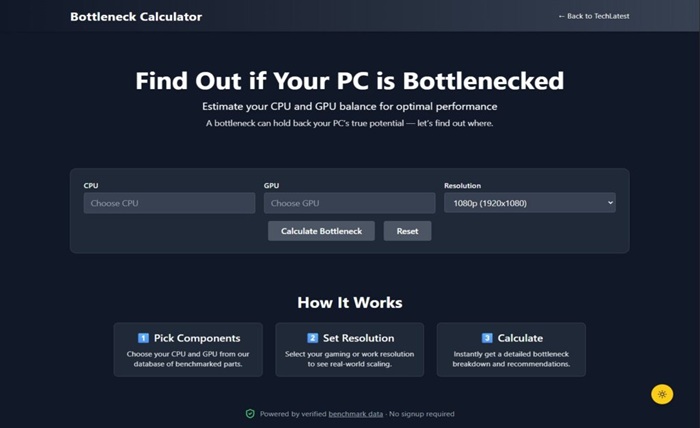
A bottleneck calculator is an essential tool for anyone looking to optimize workflow efficiency. In businesses, production lines, and even personal projects, bottlenecks often reduce overall performance. By identifying these constraints, a bottleneck calculator allows managers and team leaders to take actionable steps to enhance productivity. Understanding how this tool works is crucial for maximizing both time and resources.
Using a bottleneck calculator can provide precise insights into which stages of your process are slowing down overall output. Many organizations overlook minor delays, not realizing that even small bottlenecks can cascade into major inefficiencies. With the help of this calculator, businesses can pinpoint issues, allocate resources effectively, and achieve smoother operations.
Moreover, the use of a bottleneck calculator is not limited to manufacturing or logistics. Project managers, software developers, and even marketers can benefit from analyzing workflows through this lens. By identifying the bottleneck, teams can ensure timely completion of projects and maintain higher quality standards.
How a Bottleneck Calculator Works
A bottleneck calculator functions by analyzing workflow steps and determining which stage limits overall throughput. It calculates the maximum capacity at each point in the process and highlights the stage that has the lowest efficiency. This allows managers to prioritize improvements where they matter most.
The core principle behind a bottleneck calculator is the Theory of Constraints (TOC). TOC posits that every system has a single limiting factor. By focusing on this constraint, the system can be optimized to achieve higher overall productivity. Using a bottleneck calculator ensures that this step is identified accurately, saving time and avoiding trial-and-error solutions.
Additionally, modern bottleneck calculators often incorporate digital tools and analytics. They can integrate data from software systems, production machinery, or project management platforms to provide real-time insights. This means businesses can monitor ongoing processes and quickly adjust strategies based on accurate, data-driven analysis.
Benefits of Using a Bottleneck Calculator
The advantages of employing a bottleneck calculator are numerous. First and foremost, it helps improve overall efficiency. By identifying the slowest part of the process, teams can focus resources where they will have the most impact.
A bottleneck calculator also aids in cost reduction. Processes that are inefficient often incur hidden costs, such as overtime, wasted materials, or missed deadlines. By using a bottleneck calculator, businesses can streamline operations, reduce waste, and save money.
Furthermore, a bottleneck calculator enhances decision-making. When managers have clear data on where bottlenecks occur, they can make informed choices about staffing, scheduling, and resource allocation. This leads to better operational planning and more predictable outcomes.
Types of Bottleneck Calculators
There are several types of bottleneck calculators available, each suited for different needs. Simple manual calculators allow users to input basic data such as process time and output rate. These are ideal for small projects or teams with limited resources.
More advanced bottleneck calculators integrate with digital systems, offering real-time analysis. These tools can handle complex workflows, multiple stages, and large datasets, making them ideal for manufacturing plants, software development teams, or logistics operations.
Additionally, specialized bottleneck calculators exist for particular industries. For example, construction managers can use calculators tailored to building schedules, while software developers can analyze code deployment pipelines. Each type ensures that the bottleneck is identified with precision, tailored to the specific workflow.
How to Use a Bottleneck Calculator Effectively
Using a bottleneck calculator effectively requires a clear understanding of your workflow. Start by mapping out every step of your process, noting the time and resources required at each stage. Input this data into the calculator to determine where constraints exist.
Next, analyze the results provided by your bottleneck calculator. Focus on stages with the lowest throughput or longest delays. These are the areas where interventions will have the greatest impact on overall performance.
Finally, use a bottleneck calculator as a monitoring tool. Regularly reassess workflows after implementing changes to ensure that improvements are effective and that new bottlenecks have not appeared. This cyclical use ensures continuous optimization.
Common Mistakes to Avoid with a Bottleneck Calculator
One common mistake when using a bottleneck calculator is relying solely on raw numbers without considering qualitative factors. Some delays might be caused by external factors that a calculator cannot measure, such as supplier delays or employee absences.
Another mistake is ignoring secondary bottlenecks. A bottleneck calculator may identify the primary constraint, but once it is resolved, secondary bottlenecks can emerge. Always re-evaluate the system to ensure all limiting factors are addressed.
Overcomplicating the process is also a risk. While advanced bottleneck calculators offer many features, it is essential to focus on actionable insights rather than getting lost in data. The goal is to enhance efficiency, not just analyze numbers.
Real-World Applications of a Bottleneck Calculator
A bottleneck calculator can be applied in many scenarios. In manufacturing, it identifies slow machines or processes that limit production capacity. By addressing these, companies can increase output without additional costs.
In software development, a bottleneck calculator helps identify stages in the deployment pipeline that cause delays. For instance, code review or testing might be slowing down the release cycle. Addressing these bottlenecks improves team productivity and reduces time-to-market.
Even in service industries, a bottleneck calculator proves valuable. Restaurants, logistics companies, and customer service teams can analyze workflows to ensure smooth operations and enhance customer satisfaction. This universal applicability makes the tool indispensable.
Future Trends in Bottleneck Calculators
The future of the bottleneck calculator lies in AI and automation. Machine learning algorithms can predict potential bottlenecks before they occur, allowing proactive management.
Integration with IoT devices is another trend. In manufacturing, sensors can feed data directly into a bottleneck calculator, providing real-time insights and enabling immediate action to resolve inefficiencies.
Cloud-based bottleneck calculators will also become more common, allowing teams to collaborate across locations and share insights instantly. This ensures that businesses remain agile and responsive in increasingly complex workflows.
Conclusion
A bottleneck calculator is a powerful tool for anyone looking to improve workflow efficiency and productivity. By identifying the limiting stages of a process, it allows organizations to make data-driven decisions, reduce costs, and optimize resources.
Whether in manufacturing, software development, or service industries, the use of a bottleneck calculator ensures smoother operations and better outcomes. Embracing this tool is not just a tactical decision—it’s a strategic approach to sustained growth and operational excellence.
FAQs
Q1: What is a bottleneck calculator?
A bottleneck calculator is a tool that identifies the slowest or least efficient stage in a process, helping optimize workflow efficiency.
Q2: Who can benefit from using a bottleneck calculator?
Businesses, project managers, software developers, and service industries can all use a bottleneck calculator to improve productivity and reduce delays.
Q3: How does a bottleneck calculator improve productivity?
By pinpointing the process stage that limits throughput, a bottleneck calculator allows targeted interventions that increase overall efficiency.
Q4: Are there digital versions of a bottleneck calculator?
Yes, many advanced bottleneck calculators integrate with software systems, providing real-time analysis and predictive insights.
Q5: Can a bottleneck calculator be used for personal projects?
Absolutely. Even for individual workflows or small-scale projects, a bottleneck calculator helps identify inefficiencies and streamline processes.