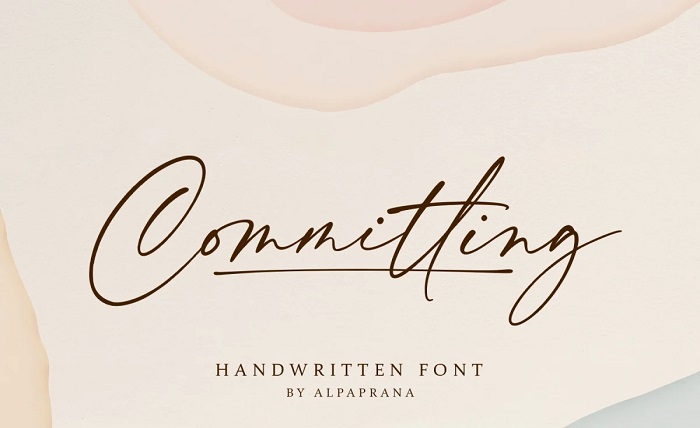
The term yazı tipi is the Turkish expression for “font” or “typeface,” and it plays a major role in modern communication and graphic design. A yazı tipi is more than just decorative text because it influences readability, branding, emotion, and user experience. Whether you are designing a website, creating social media graphics, writing a book, or developing a company logo, choosing the right yazı tipi can dramatically impact how people perceive your message.
In today’s digital world, the demand for creative and professional yazı tipi styles has increased rapidly. Businesses, designers, and content creators carefully select fonts that match their visual identity and target audience. From elegant serif fonts to modern sans-serif designs, every yazı tipi carries a unique personality that affects communication and aesthetics.
The History and Evolution of Yazı Tipi
The history of yazı tipi dates back centuries to the invention of printing technology. Early forms of yazı tipi were inspired by handwritten manuscripts used in religious and historical texts. When Johannes Gutenberg introduced the printing press in the 15th century, typography evolved into a structured art form, and the concept of reusable typefaces became widespread.
As technology advanced, yazı tipi styles transformed from metal type blocks into digital fonts used on computers and mobile devices. During the 20th century, famous typefaces such as Times New Roman, Helvetica, and Arial became globally recognized examples of effective yazı tipi design. Today, thousands of digital font families are available online, allowing users to experiment with unique yazı tipi options for both personal and professional projects.
Modern software has made creating a custom yazı tipi easier than ever. Designers can now build personalized fonts for branding, gaming, advertising, and creative media. This evolution demonstrates how yazı tipi continues to shape visual communication across generations.
Different Types of Yazı Tipi
Understanding the different categories of yazı tipi is essential for selecting the right style for your project. Each type of yazı tipi serves a specific purpose and creates a different visual impression.
Serif Yazı Tipi
A serif yazı tipi includes small decorative strokes at the ends of letters. These fonts often appear traditional, elegant, and trustworthy. Newspapers, books, and formal publications commonly use serif yazı tipi styles because they improve readability in printed text.
Sans-Serif Yazı Tipi
Sans-serif yazı tipi designs remove decorative strokes, creating a cleaner and more modern appearance. Websites, apps, and digital platforms frequently use sans-serif fonts because they look simple and easy to read on screens.
Script Yazı Tipi
A script yazı tipi mimics cursive handwriting and adds elegance or creativity to designs. Invitations, logos, and luxury branding often include script-style yazı tipi choices.
Display Yazı Tipi
Display yazı tipi styles are bold, artistic, and designed to grab attention. They are commonly used for posters, advertisements, and headlines rather than long paragraphs.
Monospace Yazı Tipi
Monospace yazı tipi fonts assign equal spacing to every character. These fonts are especially popular in programming and coding environments because they improve text alignment and readability.
Each category of yazı tipi offers distinct advantages depending on the project’s goals and audience.
Why Yazı Tipi Is Important in Design
A carefully selected yazı tipi can completely change the effectiveness of a design. Typography influences how people interpret information, making yazı tipi one of the most important elements in visual communication.
For example, luxury brands often use elegant serif yazı tipi styles to appear sophisticated and premium. Technology companies prefer minimalist sans-serif yazı tipi fonts because they represent innovation and simplicity. Emotional reactions can also be triggered by a specific yazı tipi, making font choice a strategic design decision.
Readability is another critical reason why yazı tipi matters. If a font is difficult to read, audiences may lose interest quickly. A professional yazı tipi improves user experience, increases engagement, and enhances communication across websites, advertisements, and printed materials.
Consistency in yazı tipi usage also strengthens brand identity. Businesses often create typography guidelines to ensure that every document, website, and advertisement uses the same yazı tipi family. This consistency helps audiences recognize and trust the brand more easily.
Popular Yazı Tipi Styles Used Today
There are thousands of font options available, but some yazı tipi styles remain extremely popular because of their versatility and visual appeal.
Helvetica
Helvetica is one of the world’s most famous sans-serif yazı tipi choices. Known for its clean and professional appearance, it is widely used in branding, signage, and websites.
Arial
Arial is another highly popular yazı tipi because it is simple, readable, and compatible with almost every digital platform.
Times New Roman
This serif yazı tipi has been a standard choice for academic and professional documents for decades.
Roboto
Roboto is a modern yazı tipi developed for digital interfaces and Android systems. Its readability makes it ideal for mobile applications.
Montserrat
Montserrat is a stylish and contemporary yazı tipi often used in web design, branding, and creative projects.
Comic Sans
Although controversial, Comic Sans remains a recognizable yazı tipi that is often associated with casual and playful communication.
These examples demonstrate how different yazı tipi styles can shape tone, mood, and professionalism.
How to Choose the Best Yazı Tipi
Choosing the right yazı tipi requires careful consideration of your audience, platform, and design goals. A font that works well for a luxury fashion brand may not be suitable for a technology company or educational website.
The first factor to consider when selecting a yazı tipi is readability. Text should remain clear across different devices and screen sizes. A complicated yazı tipi may look artistic, but it can reduce user engagement if readers struggle to understand the content.
Another important consideration is emotional impact. Every yazı tipi communicates a different personality. Bold fonts may appear strong and energetic, while elegant scripts may feel romantic or luxurious.
Designers should also limit the number of yazı tipi styles used in a single project. Combining too many fonts can make a design appear unprofessional and confusing. Most experts recommend using two or three complementary yazı tipi families for balanced typography.
Testing a yazı tipi before finalizing a design is equally important. Fonts may appear differently on mobile devices, tablets, and desktop screens. Reviewing the font in multiple formats ensures consistent quality and readability.
Yazı Tipi in Digital Marketing and Branding
In digital marketing, the right yazı tipi can significantly influence brand perception and conversion rates. Companies invest heavily in typography because fonts affect customer trust, engagement, and recognition.
A professional yazı tipi improves website usability and encourages visitors to stay longer on a page. Marketers often choose clean sans-serif fonts for digital campaigns because they load quickly and remain readable across devices.
Social media branding also relies heavily on consistent yazı tipi usage. Influencers and businesses use specific font styles to create a recognizable visual identity. Whether designing Instagram posts, YouTube thumbnails, or promotional banners, selecting the correct yazı tipi helps maintain brand consistency.
Email marketing campaigns benefit from effective yazı tipi choices as well. Simple fonts increase readability and improve click-through rates. If the yazı tipi appears cluttered or overly decorative, readers may ignore the content entirely.
Search engine optimization can even be indirectly affected by yazı tipi decisions. Readable typography improves user experience, reducing bounce rates and encouraging visitors to spend more time on a website.
Future Trends of Yazı Tipi
The future of yazı tipi design continues to evolve with technology and creative innovation. Variable fonts are becoming increasingly popular because they allow designers to adjust weight, width, and style within a single font file. This flexibility improves performance and customization in digital environments.
Artificial intelligence is also influencing yazı tipi creation. AI-powered tools can generate unique font styles based on branding requirements and user preferences. As augmented reality and virtual reality expand, responsive yazı tipi designs will become even more important for immersive digital experiences.
Minimalism remains a dominant trend in modern yazı tipi design. Clean and readable fonts continue to outperform overly complex typography in digital marketing and website design. However, creative display fonts are also gaining popularity for branding and social media content where uniqueness is essential.
Sustainability may influence future yazı tipi development as well. Some companies are designing eco-friendly fonts that use less ink when printed, reducing environmental impact while maintaining readability.
Conclusion
The concept of yazı tipi is far more important than many people realize. Fonts influence communication, branding, readability, and emotional perception across every type of media. From traditional serif styles to modern digital typography, selecting the right yazı tipi can enhance user experience and strengthen visual identity.
As technology continues to evolve, the role of yazı tipi in design and marketing will become even more significant. Whether you are building a website, creating advertisements, designing logos, or publishing content online, understanding typography helps you communicate more effectively and professionally. By learning how different yazı tipi styles function, you can create visually appealing projects that leave a lasting impression on audiences.
FAQs
1. What does “yazı tipi” mean?
The term yazı tipi means “font” or “typeface” in Turkish and refers to the design style of written characters.
2. Why is yazı tipi important in design?
A good yazı tipi improves readability, strengthens branding, and influences how audiences emotionally respond to content.
3. Which yazı tipi is best for websites?
Sans-serif yazı tipi styles such as Arial, Helvetica, and Roboto are commonly preferred for websites because they are clean and easy to read.
4. Can I create my own yazı tipi?
Yes, many digital tools and software programs allow designers to create a custom yazı tipi for personal or professional use.
5. How many yazı tipi styles should I use in one project?
Most design experts recommend using two or three complementary yazı tipi styles to maintain consistency and professionalism.